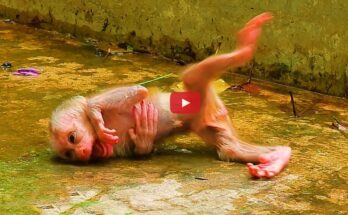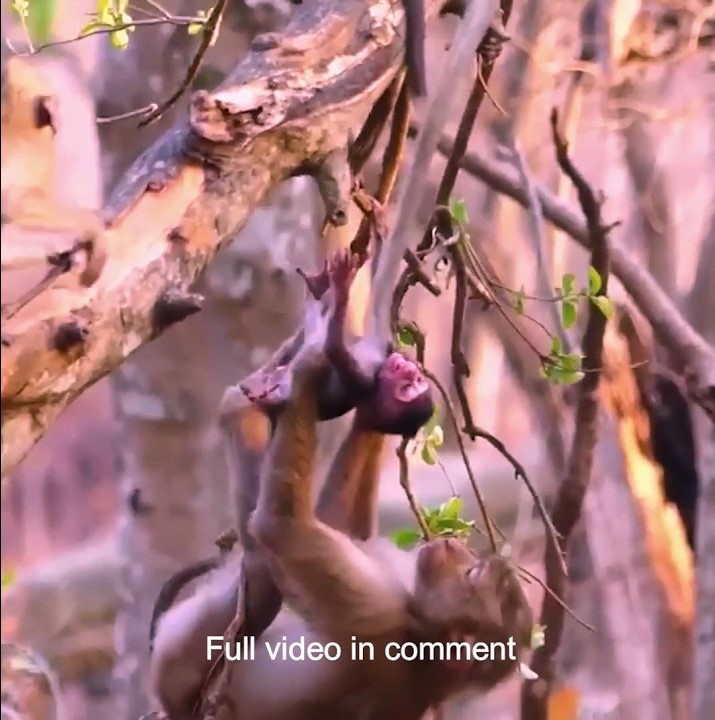
Adult monkeys may grab and drag baby monkeys for several reasons, primarily related to social dynamics and caregiving behaviors within their groups. In many primate species, adult individuals, particularly mothers, engage in physical interactions with their young to teach them essential survival skills. This behavior can include moving the baby to a safer location, away from potential threats or disturbances, ensuring the infant’s safety and well-being. Such actions are often instinctual, reflecting the adult’s role in nurturing and protecting the young.
Additionally, adult monkeys may exhibit this behavior as a means of socialization. By physically interacting with the young, they help the infants learn about their environment and the social structures of their troop. This can involve teaching them how to navigate their surroundings, interact with other members of the group, and understand social hierarchies. Through these interactions, the adult monkey imparts crucial knowledge that the baby will need to thrive as it matures, reinforcing the bonds within the troop and ensuring the continuity of learned behaviors across generations.
It is also important to consider that not all instances of grabbing and dragging are purely nurturing. In some cases, adult monkeys may display aggressive or dominant behaviors towards younger individuals, particularly if they perceive a threat to their status or resources. This can manifest as a way to assert dominance or to discipline the young for inappropriate behavior. Understanding the context of these interactions is vital, as they can vary significantly based on the species, the specific social structure of the troop, and the individual personalities of the monkeys involved.